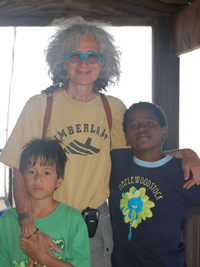
When pediatric infectious disease specialist Dr. Jane Aronson first stepped into institutional orphanages across Eastern Europe and Asia in the early 1990s, she observed a devastating, systemic pattern. The children were surviving, but they were far from thriving.
Well-meaning international humanitarian missions frequently provided short-term, acute aid—emergency food supplies, basic vaccinations, and rapid clinical visits—before moving on to the next crisis. What was critically missing from the global pediatric aid architecture was comprehensive, long-term diagnostic care combined with trauma-informed developmental support.
In 1997, Dr. Aronson founded the Worldwide Orphans Foundation (WWO) to dismantle this reactive paradigm. Recognized globally by initiatives such as ShareAmerica's World Humanitarian Heroes, her thesis was both mathematically precise and deeply human: vulnerable children do not thrive on short-term charity alone; they require clinical precision, continuous developmental care, and sustainable local infrastructure.
The Shift: From Relief to Rebuilding
For decades, international aid models operated under a paternalistic framework—importing foreign specialists to deliver temporary relief. Dr. Aronson recognized that true health equity required a structural shift toward capacity building.
By integrating specialized pediatric diagnostics with community-based social work, Worldwide Orphans created an adaptable operational model focused on three core pillars:
Measurable Impact in Global Health Equity
Over twenty-five years since its founding, the model established by Dr. Aronson serves as a benchmark for modern medical philanthropy. By addressing the "whole child"—combining clinical medicine with local social work—WWO demonstrated that localized, diagnostic-heavy intervention dramatically improves long-term educational, physical, and psychological outcomes for orphaned children.
Her work stands as a testament to what happens when top-tier medical science steps outside academic medical centers and grounds itself directly in community leadership.
Why This Matters for the Future of Healthcare
As global health systems face increasing strain from post-pandemic recoveries and socio-economic shifts, Dr. Aronson's legacy offers a crucial roadmap for executive leaders, clinicians, and philanthropists alike:
- Data-Driven Compassion: Philanthropy achieves maximum ROI when backed by rigorous medical diagnostics and outcome tracking.
- Grassroots Ownership: Programs only survive when local community guardians are trained, compensated, and empowered to lead.
- Systemic Focus: Treating immediate symptoms without addressing developmental trauma fails to break generational cycles of vulnerability.
Dr. Jane Aronson’s career reminds us that when women leaders redesign humanitarian aid, they don't just patch existing holes—they rebuild the entire system for future generations.